

Low-Voltage vs. Line-Voltage Lighting: Which Is Safer for Seattle Yards?
Category: Lighting
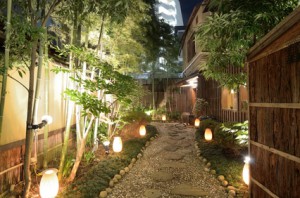
Seattle homeowners ask this every fall and winter when the sun sets early: should your yard use low-voltage or line-voltage lights? If safety is your top priority, low voltage lighting seattle often delivers the best mix of protection, efficiency, and control for paths, steps, and plant beds. If you want a pro design or upgrade, explore low voltage lighting in seattle with the licensed team at Seattle Electricians Today.
What Makes Low-Voltage Lighting Safer In Seattle
Low-voltage systems step power down through a transformer, so fixtures and cabling run at a safer voltage level outdoors. That matters in our wet climate where puddles, mud, and moss can increase slip and shock risks around patios and stairs.
Line-voltage can still be safe when properly designed and protected by code-compliant methods. It is typically used where higher light levels are needed for large driveways or tall architectural washes. A licensed electrician will determine when that extra power makes sense and how to protect it.
- Low voltage: safer operating voltage, easier to adapt around gardens and walkways, strong pairing with LED fixtures.
- Line voltage: better for tall, wide, or high-output applications when engineered and protected correctly by a pro.
Always hire a licensed electrician for outdoor electrical work. Professional installation helps prevent hidden hazards, especially near water features and steep, shaded slopes common in Ballard, Magnolia, and West Seattle.
Energy Use And Efficiency In Seattle’s Climate
LED low-voltage fixtures sip power while producing targeted light with minimal glare. That keeps energy use down during our long, dark months and reduces the chance of overlighting that washes out your yard after rain.
Line-voltage can use efficient LED gear too, but the hardware and wiring are sized for higher loads. That makes low voltage the go-to for most residential paths, steps, and planting beds where you want long runtime with modest wattage.
For a deeper look at benefits, read our quick take on the benefits of low‑voltage lighting and how it fits Seattle homes.
Durability And Maintenance In Wet Weather
Rain, salt air along Alki, and winter freeze-thaw cycles can stress outdoor fixtures. Quality low-voltage gear uses sealed LED modules, marine-grade finishes, and tight gaskets to resist corrosion and moisture.
With line-voltage, protection and sealing are even more important because the system runs at higher voltage and often uses deeper or more complex conduit paths. Routine inspections by your electrician help keep everything safe and reliable through our wettest months.
- Have a pro check transformer connections, fixture seals, and any garden-light cable transitions before the dark season.
- Ask about LED fixtures with coastal or powder-coated finishes for neighborhoods exposed to salt spray or strong winds.
- Choose fixtures rated for wet locations in the Pacific Northwest.
Where Each Option Fits Best: Paths, Steps, And Beds
In most Seattle yards, low voltage shines on walkways, steps, deck stairs, and planting beds. It provides even, low-glare light where people walk, which reduces trips on slick pavers after rain.
Line voltage is better kept for tall architectural accents or wide-area floods on long driveways in neighborhoods like Laurelhurst or Broadview where you may need longer throws. Even then, a hybrid plan often works: low-voltage path and step lighting combined with a few line-voltage accent heads placed by a pro.
If you are reworking your exterior, it also helps to consider overall curb appeal. Explore ideas on landscape lighting in seattle to see how a layered plan improves both safety and nighttime style.
Design Flexibility And Smart Controls
Low-voltage systems make it simple to blend uplights, wash lights, and shielded step lights so you only illuminate what you need. Timers, astronomical clocks, and motion sensors help lights come on when the sun drops behind Queen Anne or Capitol Hill.
Smart controls add convenience. Dimming scenes for “company arriving,” “late-night lockup,” or “storm mode” reduce wasted energy and glare while improving safety around driveways and stoops.
In Seattle’s rainy season, lenses fog and paths stay slick longer. A pro can set warmer LED color and tighter beam spreads that cut glare on wet surfaces and make steps easier to read at night. That simple tweak improves safety without raising wattage.
Common Myths Seattle Homeowners Hear
Myth: Low voltage is too dim. Today’s LED low-voltage fixtures are bright, efficient, and purpose-built for paths, steps, and focal plants. The trick is spacing, beam selection, and transformer sizing handled by your electrician.
Myth: Line voltage lasts longer. Fixture quality and sealing matter more than voltage. Many low-voltage systems in Seattle run for years with minimal service when installed with premium connectors and sealed housings.
Myth: It does not matter which cable you use. Cable gauge and run lengths affect brightness. Your electrician designs runs to prevent voltage drop so the far end of the path does not look yellow or dim.
How Pros Engineer Safe, Even Light
Low-voltage runs are planned to keep voltage within the fixture’s sweet spot. Balanced home-run wiring or looped paths help avoid hotspots near the transformer and dim spots at the end of the line.
For line-voltage accents, pros use proper burial depths, sealed junctions, and protective devices appropriate to the location. That attention to detail keeps higher-output fixtures both effective and safe in heavy rain and frequent freeze-thaw.
If you are weighing options, our team can evaluate your yard’s length of runs, slopes in Magnolia and Greenwood, and nearby water features to recommend the safest mix for your property. Learn how we build and service these systems on our low voltage lighting in seattle page.
Seattle-Friendly Aesthetics: Light Without Glare
Because we live with cloud cover and wet pavement for much of the year, glare control is a big deal. Shielded path lights, low mounting heights, and warmer color temperatures keep light comfortable and neighbor-friendly while still revealing edges and steps.
When you do need higher output, a professional will focus beams away from windows, water, and public sidewalks, and set levels so your yard looks welcoming instead of washed-out.
Maintenance Mindset For Long, Wet Winters
Outdoor lighting should be simple to live with. Most Seattle homeowners only need seasonal service, but the schedule depends on tree growth, foot traffic, and weather.
Here is what a pro maintenance visit often covers, without you lifting a finger:
- Clean lenses and adjust aim after storms, so light stays even on steps and landings.
- Check seals, gaskets, and connections to keep moisture out and performance steady.
- Verify timing programs after daylight saving changes and power outages.
- Trim plant growth that shadows paths in Ballard, Ravenna, and West Seattle gardens.
Keep fixtures clear of mulch and leaves to reduce fire risk and maintain consistent light levels. Your electrician will also confirm transformer settings match the load so you get reliable performance through winter.
So, Which One Should You Choose?
For most Seattle yards, low-voltage LED lighting is the safer default for paths, steps, and garden beds. It offers the right light levels with lower energy use, smart control options, and a safer operating voltage in wet conditions.
Line-voltage can complement that plan for tall architectural features or wide driveway coverage when engineered and protected by a licensed pro. Many homes in Queen Anne, Capitol Hill, and Beacon Hill end up with a hybrid system that balances safety and style.