

Seattle Home Generator Guide: Backup Power Options for Storm Season
Category: Generators
If you live in Seattle, you know fall windstorms and winter ice can flip the lights off in a heartbeat. This Seattle home generator guide explains your backup power options so you can keep heat, food, and Wi‑Fi running when the grid slips. You will see how “home generators seattle” choices compare, what size fits typical homes, and what to know about placement, permits, and maintenance.
When you are ready to explore models and installations tailored to your house, review our local home standby generator options and talk with a licensed electrician at Seattle Electricians.
Why Backup Power Matters in Seattle
Our region’s power lines thread through tall evergreens and narrow alleys. A single branch in Ballard or a snapped limb in West Seattle can ripple into hours without power across neighborhoods like Queen Anne, Capitol Hill, or Beacon Hill. Losing electricity is more than an inconvenience. Refrigerators warm up, sump pumps stop, medical devices need power, and working from home becomes guesswork.
Backup power gives you control. A properly sized system keeps essentials on, protects food, keeps pipes safe, and helps your family stay comfortable until the grid returns.
Home Generators Seattle: Standby vs Portable
Most homeowners consider two paths: standby or portable. Both provide electricity during an outage, but they differ in convenience, capacity, and long‑term reliability.
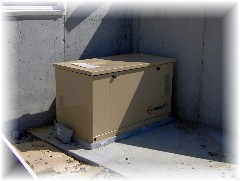
Standby generators sit outside on a pad, connect to natural gas or propane, and start automatically when the power fails. They are quieter, weather‑ready, and can power selected circuits or an entire home. Portable generators are stored in a garage or shed and rolled out when needed. They typically run on gasoline, are manually started, and usually power fewer circuits through a safe, code‑compliant connection.
- Standby: automatic transfer, larger capacity, permanent fuel supply, lower hassle during storms.
- Portable: lower initial investment, manual setup, limited run time, requires safe outdoor placement.
Never run a portable generator indoors or in a garage, even with the door open. Carbon monoxide builds fast. And always use a transfer switch or other approved interconnection so power cannot back‑feed into utility lines.
How To Size A Generator For Your Seattle Home
“How big of a generator do I need?” depends on the circuits you want to keep alive. Your electrician will perform a load calculation and match it to your service panel and fuel source. For many households, the goal is to power essentials rather than everything.
Think in terms of priorities. If you work from home in Green Lake or care for family in Rainier Valley, your must‑have list may differ. Common essentials include:
- Refrigerator and a few kitchen outlets
- Heat source controls and blower or efficient space heating zones
- Primary lighting circuits and internet equipment
- Sump pump, well pump, or critical medical devices
Your electrician will map these circuits, confirm starting loads for motors, review any 240‑volt needs, and recommend either a circuit‑selective standby system or a unit sized for whole‑home coverage. Avoid guessing by plug counts. Real sizing considers surge currents, panel capacity, and how you plan to live during an outage.
Placement, Noise, And Fuel Considerations
Seattle lots can be tight, especially around Queen Anne and Wallingford. A standby generator needs a level pad with clear airflow, safe exhaust direction, and adequate separation from doors, windows, and vents. It should also be placed where maintenance is easy and sound is less likely to bother nearby homes.
Fuel choices are usually natural gas or propane. Natural gas offers continuous supply where available. Propane works well for homes beyond gas lines or where you want a dedicated reserve tank. Your installer will coordinate with your gas provider or propane vendor for proper line sizing and set‑up.
A small site decision can make a big difference on storm night. Positioning the generator to shield sound toward the yard and away from neighbors helps keep noise down, and it often simplifies future service visits.
Permits And Inspections: What To Expect
Generator projects typically involve electrical permits, and fuel connections may require additional approvals. Requirements vary based on your home’s location and scope. In Seattle, a licensed electrical contractor coordinates permitting and inspections, works with the local utility as needed for safe interconnection, and verifies that the installation meets current codes. If your property has special conditions, your contractor will advise you on next steps so you stay compliant without surprises.
Transfer Switches, Panels, And Surge Protection
The transfer device is the heart of a safe system. It switches your home from utility to generator power and back again. Your electrician will explain options that prioritize essential circuits or enable whole‑home coverage when the generator is sized for it. If your service panel is older or close to capacity, a panel upgrade may be recommended so the new system performs as designed.
Consider adding whole home surge protection at the same time. It helps defend electronics from voltage spikes when power returns and during normal utility fluctuations. In our storm‑prone area, this extra layer can protect sensitive devices that make your home comfortable and connected.
Maintenance And Testing Before Storm Season
Like a car, a generator needs periodic care. Oil changes, filter replacements, and diagnostics should be handled by trained pros who follow the manufacturer’s schedule. A short exercise run keeps seals lubricated and confirms the unit is ready.
Schedule maintenance before fall storms to avoid the rush. Many Seattle homeowners plan a late‑summer check so issues are fixed well ahead of November wind events. Your technician will also verify battery health, test the transfer switch, and confirm that alerts or monitoring features are working.
What To Do During An Outage
When the lights flicker, a standby unit should start automatically and stabilize within moments. If you use a portable unit, roll it to a safe outdoor location, connect using the approved equipment your electrician installed, and follow the manufacturer’s operation steps. Keep extension cords out of walkways and away from standing water.
Work with a licensed electrician for any adjustments, and avoid adding extra loads beyond your plan. If you smell gas or see damage to service equipment, call the utility and your contractor right away.
How Seattle Electricians Makes Generator Projects Simple
From first walkthrough to final inspection, our team handles load calculations, equipment selection, permits, fuel coordination, and commissioning. If you want a quick overview of models that fit your home and lifestyle, start with our Seattle page on backup generator installation and note questions as you go.
For broader education, you can also browse our seattle home generator guide resources on the main site to understand options and terms before we visit. During your in‑home assessment, we will map essential circuits, discuss runtime and sound, and outline a clear installation timeline so you are ready before the next storm rolls in.
Ready To Stay Powered When The Grid Goes Down?
Don’t wait for the forecast to turn. Call Seattle Electricians at 206-937-8495 to schedule your visit, or set up your project online. You can also take the next step right now by reviewing models and service details with our generator installation experts. We look forward to helping you build a safe, reliable plan that keeps your home comfortable when Seattle weather gets rough.